What Are the Most Common Causes of High-Rise Fires?
Why Fire Safety in High-Rises Matters
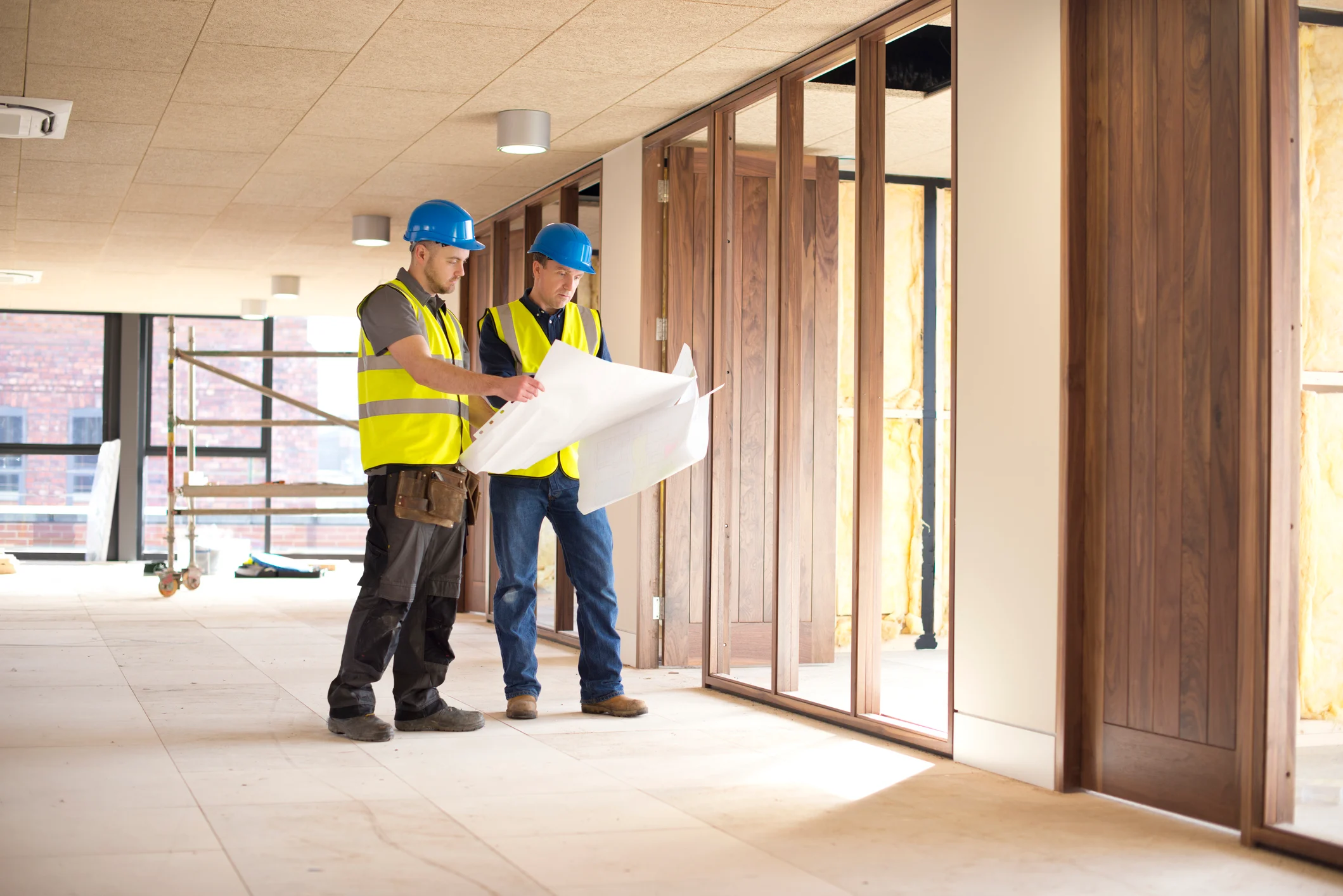
In the wake of the tragic Grenfell Tower fire in 2016, which claimed 72 lives, fire safety in high-rise buildings has become a critical topic in the UK and beyond. The structure and scale of these buildings make them particularly vulnerable to rapid fire spread, often with devastating consequences.
Key hazards such as combustible cladding, external insulation, and insufficient internal systems highlight the urgent need for comprehensive fire prevention measures. So what are the most common causes of these fires, and what can you do to protect your property and residents?
Common Causes of High-Rise Fires
Understanding the root causes of high-rise fires is essential to preventing them. These include:
1. Improper Disposal of Cigarettes
A major cause of residential fires is the improper extinguishing of cigarettes, particularly in bins, on balconies, or near flammable furniture.
2. Electrical Appliances and Overloaded Plugs
Faulty or overloaded sockets and appliances—especially when left on unattended—are a frequent fire risk. Always turn off and unplug devices before sleep or when leaving your home.
3. Kitchen Fires
Unattended cooking, especially with oil, is a leading cause of residential fires. Distractions or falling asleep while cooking can have fatal consequences.
4. Phone and Device Chargers
Charging electronics overnight can be risky. Overheated chargers have been known to ignite fires, especially when placed on beds or flammable surfaces.
5. Tumble Dryers and Lint Buildup
Tumble dryers left running while you’re out or asleep pose a serious risk due to lint ignition. Always clean lint trays and avoid operating them unattended.
How to Prevent Fires in High-Rise Buildings
✅ Install Fire Sprinkler Systems
One of the most effective fire containment strategies is installing automatic fire sprinkler systems. These systems detect heat and release water to suppress flames before they escalate.
We design and install bespoke residential fire sprinkler systems tailored to your building’s size, budget, and structure.
✅ Use Smoke Detectors and Fire Alarms
Though not legally required in Ireland (yet), smoke detectors are crucial. They provide early warnings and save lives by allowing more time for evacuation.
✅ Establish Clear Evacuation Routes
Ensure clear, well-lit escape routes free from clutter. Every door, especially flat entrances and building exits, must be self-closing to contain fires and smoke.
✅ Regular Fire Drills
Fire drills reinforce escape plans and help residents navigate exits confidently during real emergencies.
Fire Safety Tips & Evacuation Planning
- Familiarise yourself with your building’s evacuation plan. Your landlord is legally obliged to provide this.
- Use stairs during a fire; avoid lifts.
- In some cases, especially when surrounded by smoke, it may be safer to stay put—always refer to your building’s specific guidance.
- Ensure doors are closed but not locked to reduce smoke spread.
Spread the Word and Stay Safe
Fire safety is a shared responsibility. Whether you’re a resident or a landlord, staying informed and proactive can save lives.
Strengthening Fire Protection in High-Rise Residential Buildings
If you’re responsible for a high-rise residential property, whether as a developer, landlord, consultant, or managing agent, get in touch with our fire sprinkler specialists to discuss compliant sprinkler system design and installation. We can review your building’s layout, regulatory requirements, and fire risks to help deliver a solution that enhances safety for residents and meets current standards.